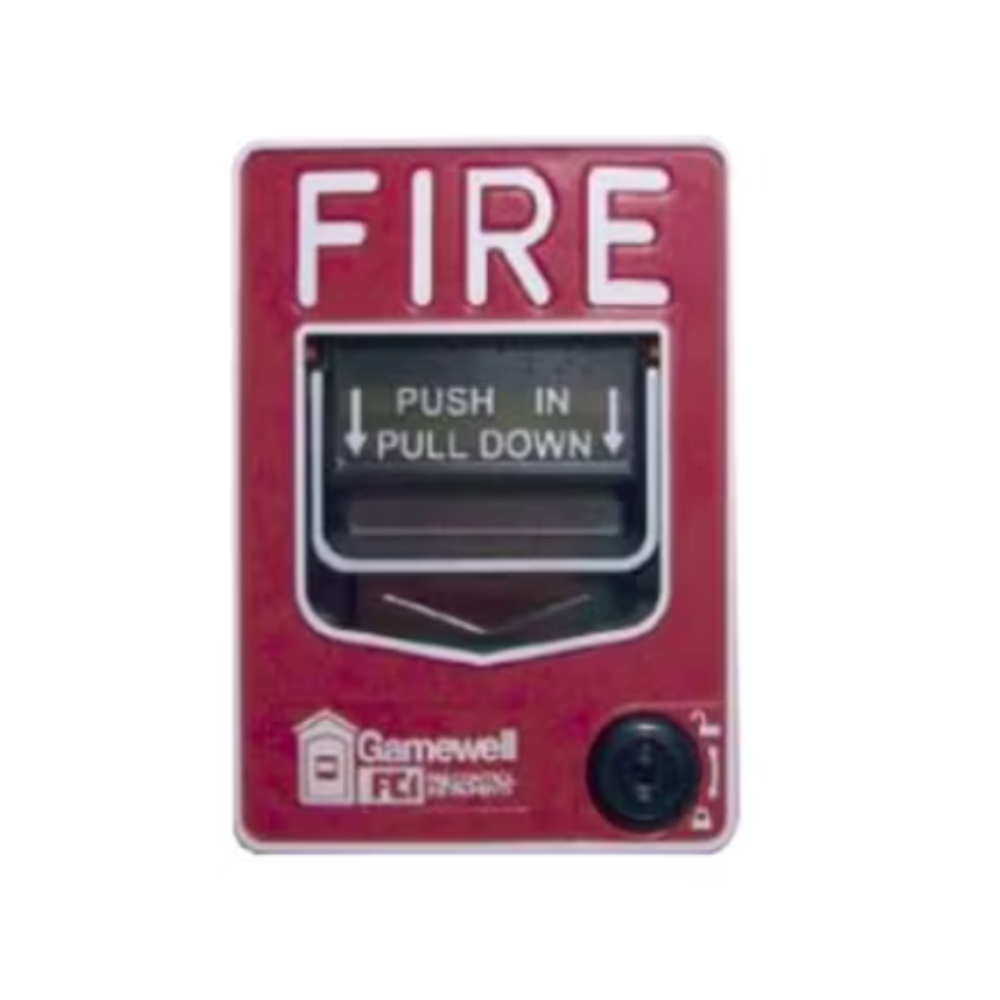
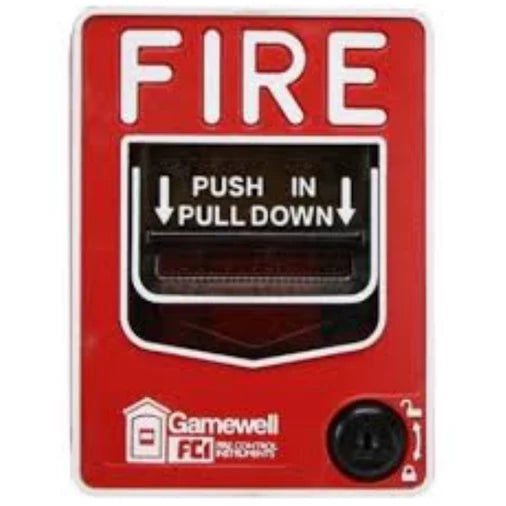
Fire alarm pull stations
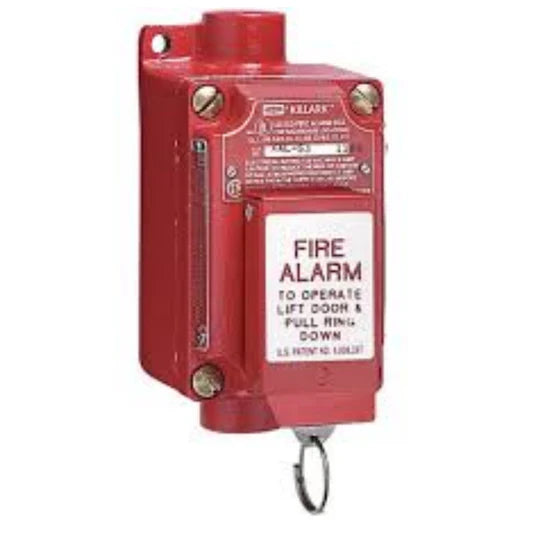
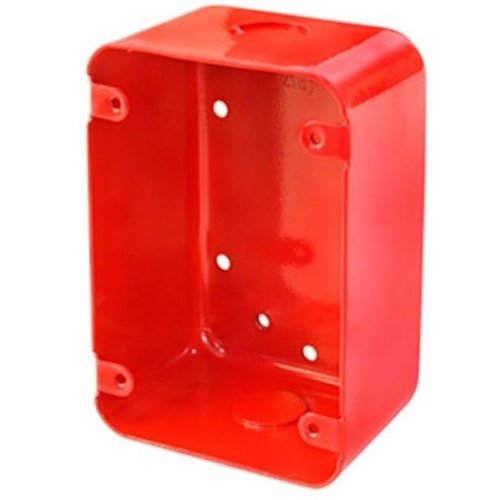
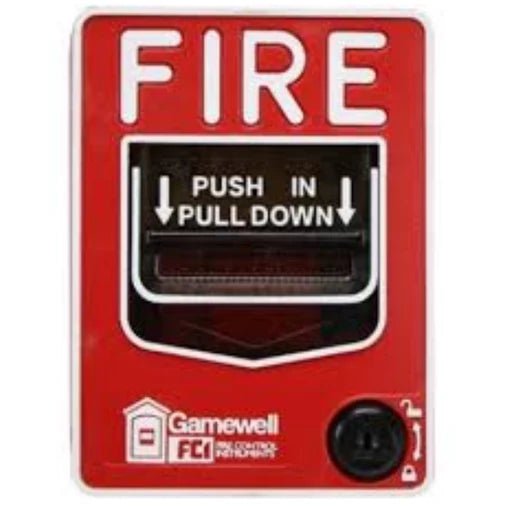
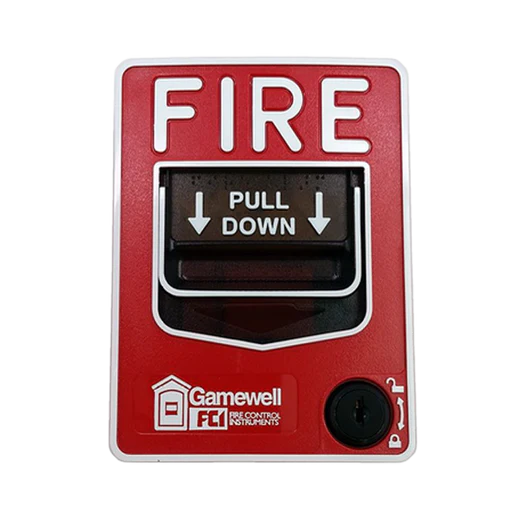
The manual pull station is how an occupant initiates an alarm by hand, and code requires them at exits and along egress paths in most commercial occupancies. This section covers single action stations, which alarm in one motion, and double action stations, which require two deliberate motions to reduce accidental activation. Versions here include addressable stations that report their own address to the panel, conventional stations wired to a zone, metal-body stations with screw terminals, stations listed for outdoor use, explosion-proof stations for hazardous locations, plus the trim rings, back boxes and protective covers that go with them.
Start with the panel. An addressable station has to match the protocol the loop runs; a conventional station just needs a supervised zone and the right end-of-line arrangement. Then decide single or double action, which the specification or the AHJ usually dictates, with double action favored in schools, healthcare and other buildings with a history of malicious activation.
Next, match the environment. Standard stations are for conditioned interior space; outdoor, weatherproof and explosion-proof versions exist because a standard station will not survive those conditions. Finally, match mounting: flush stations need the correct back box and surface stations need the matching trim. Mounting height and placement are governed by NFPA 72 and by accessibility requirements. Listing details are on each product page.
 FSG - Fire Services Group